Enterprise workflow
The Contract Platform That Cut Contract Creation Time by 75%
How I led design for a contract platform at one of the world’s largest FMCG companies, cutting contract creation from 30–45 days to 7–10.
Year :
2019
Industry :
FMCG · Procurement
Client :
Global FMCG company
Project Duration :
16 weeks
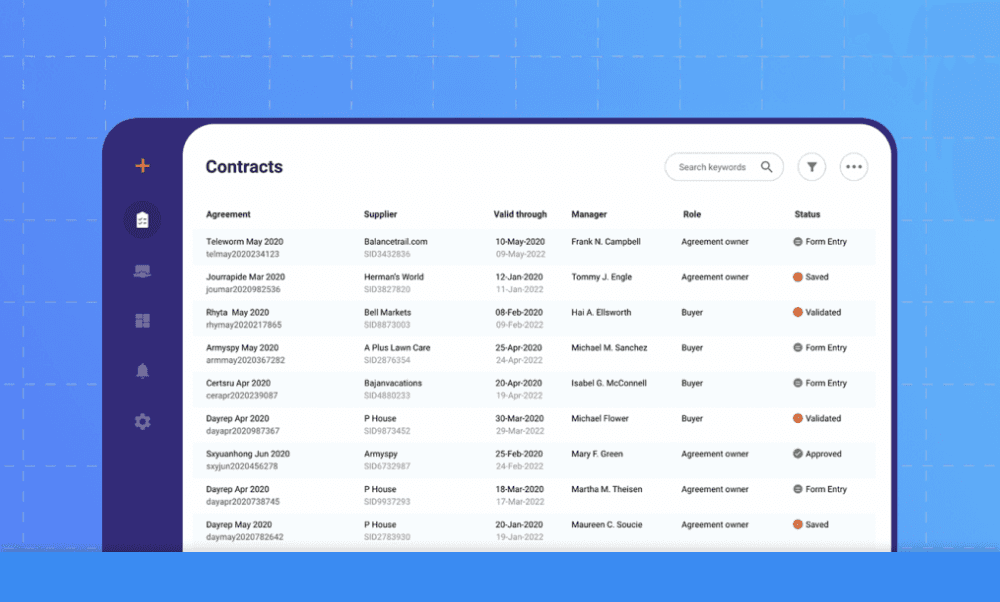
The Problem: 30–45 Days to Create One Contract
In 30 seconds: Over 16 weeks, I led design for a contract management platform used by procurement teams at a global FMCG company handling 120K+ contracts a year. I worked with one designer, alongside the client’s procurement leads and the engineering team. After launch, contract creation fell from 30–45 days to 7–10, approvals ran about 60% faster, data validation was 80% faster, and managers saved 15–20 hours a month.
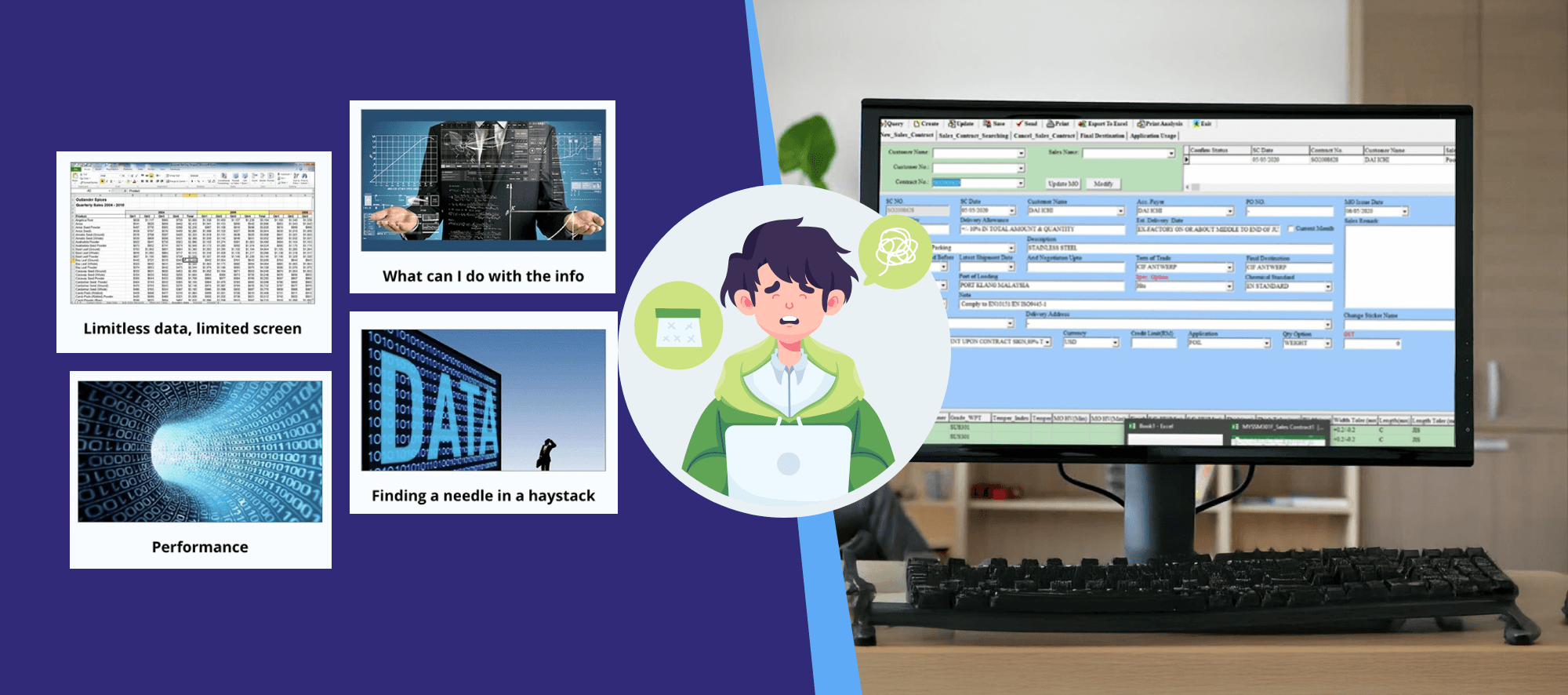
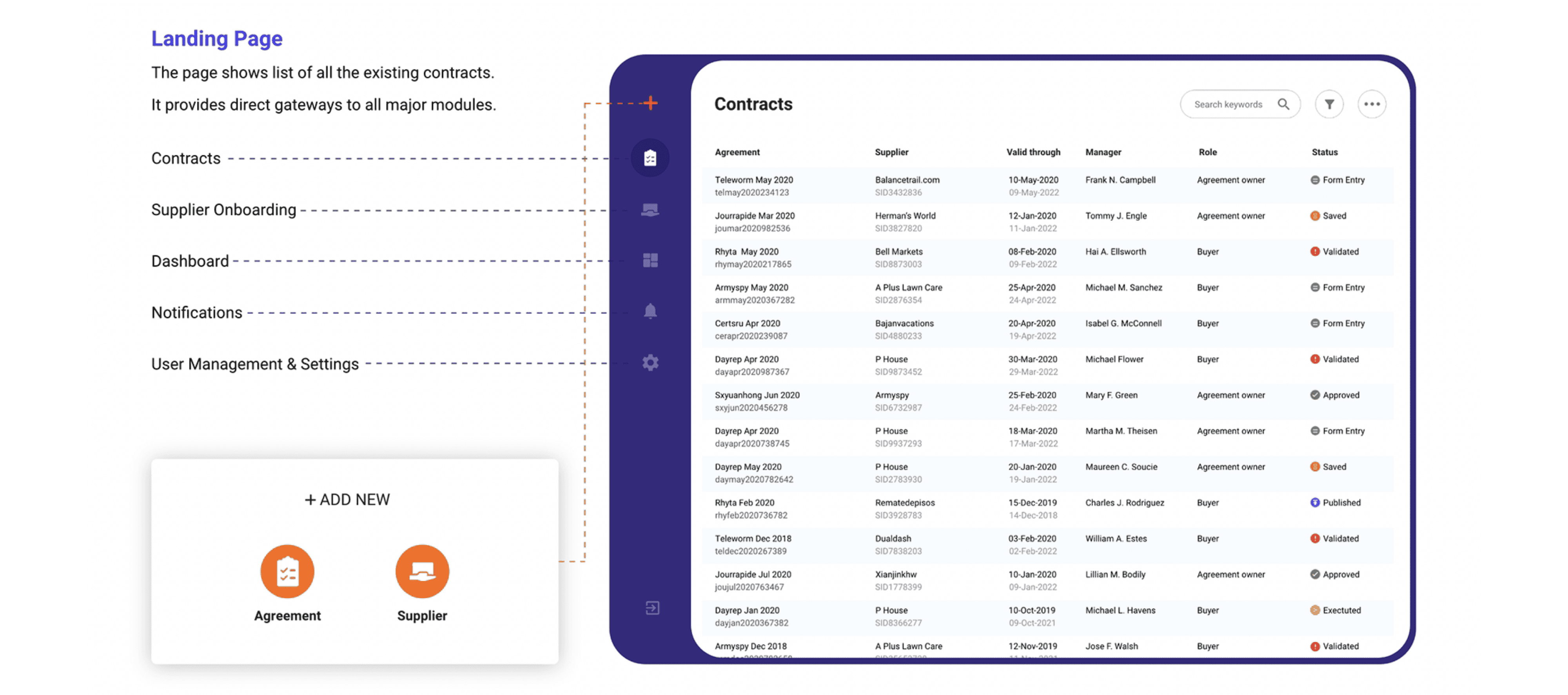
The old process was manual and spread across email, spreadsheets and disconnected systems. Creating one contract took 30–45 days. Approvals moved through several reviewers and stalled for 2–3 weeks. Errors were found late, often after a contract had moved on, and teams in different regions had no shared view of where a contract stood.
The Approach: Research First, Then Principles
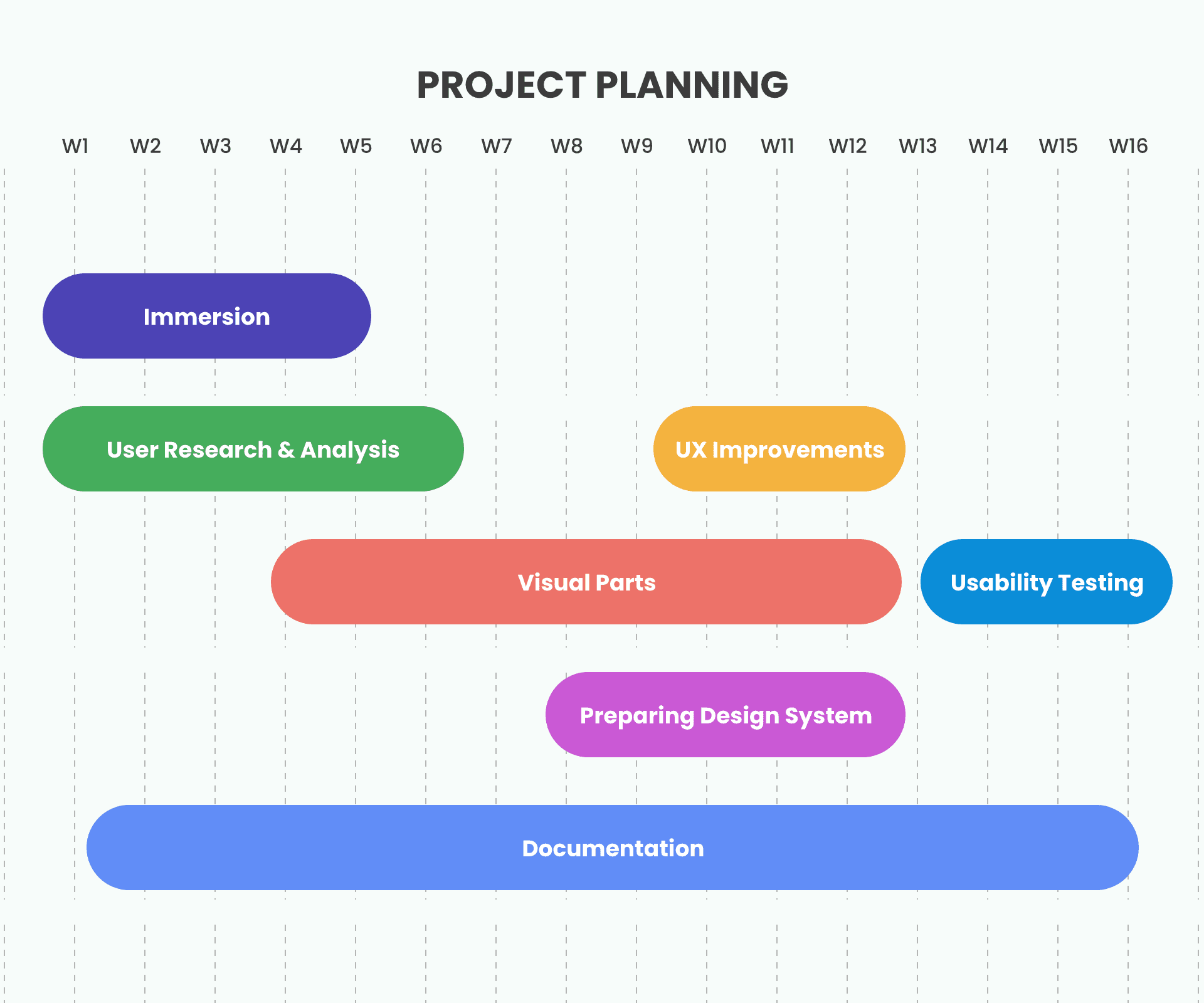
We interviewed stakeholders across regions and ran cross-functional workshops with procurement, legal and engineering. Four blockers came up again and again: the same data entered more than once, approvals with too many manual steps, errors caught too late, and communication stuck in inboxes.
I led the design direction and the decisions with the client; I set the structure and flows; my designer built the detailed screens.
From the research, we set four principles:
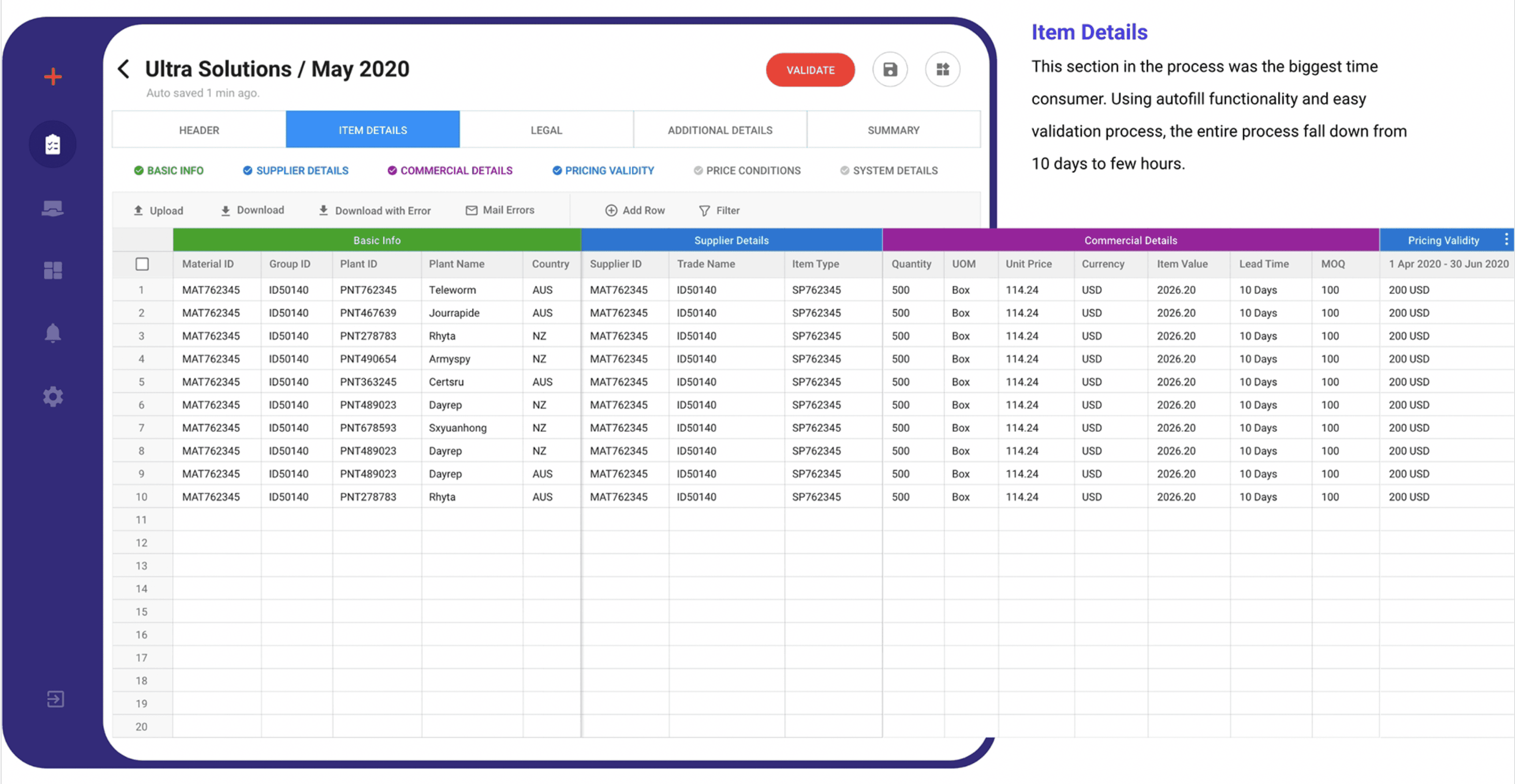
Fewer fields, grouped the way people think, so each screen asks only for what’s needed at that point.
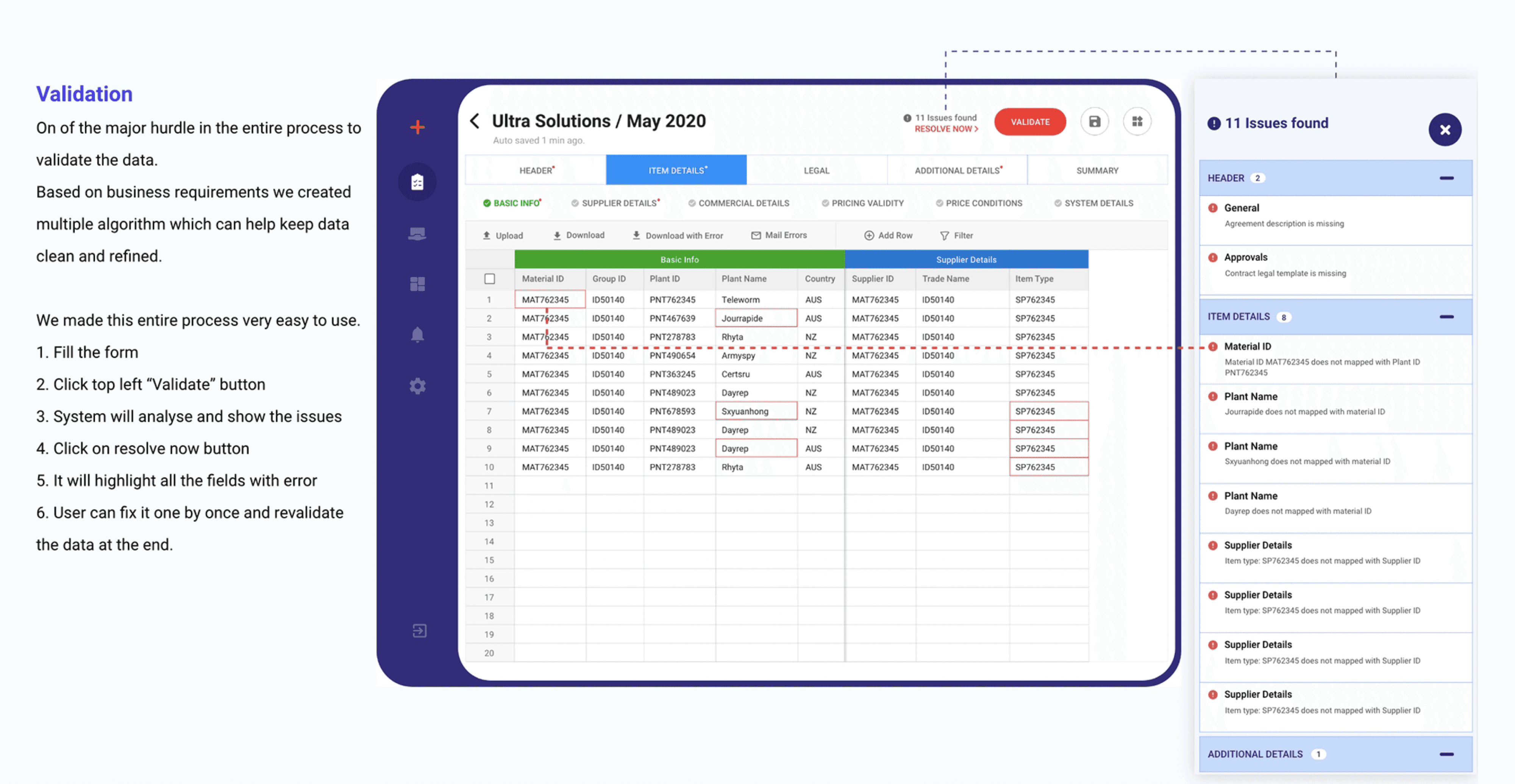
Automate the repetitive: notifications, validation checks and approval routing.
One shared view of every contract, in real time, for every region.
Show status at every stage, so nobody has to chase a contract by email.
Three Decisions I Pushed For
The client had clear preferences. In three places I argued for a different direction.
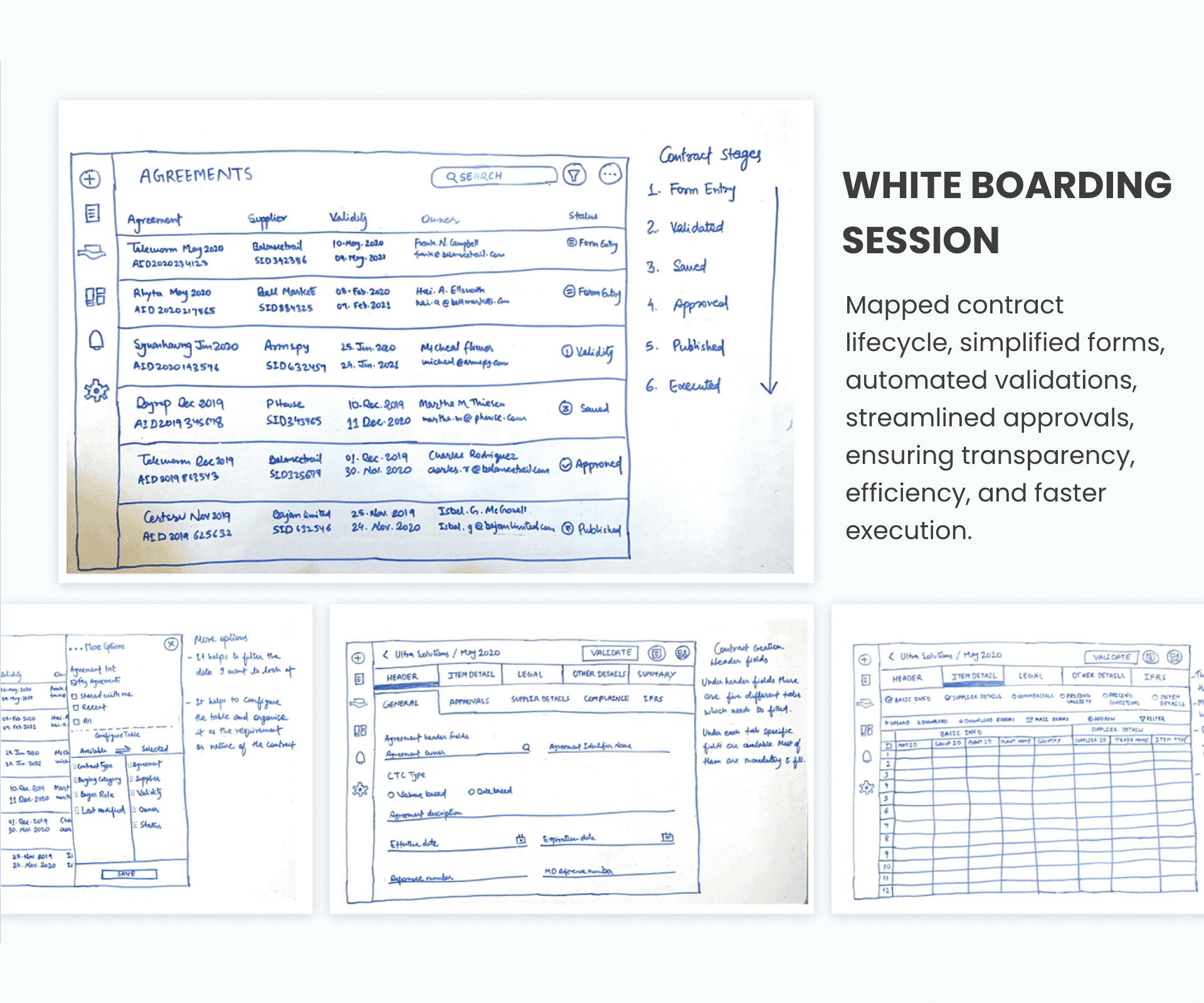
Five steps instead of one long form. The client wanted every field on one page. I broke contract creation into five steps. Errors surface at each step instead of at the end, and a contract can be saved and resumed.
Fix errors on screen, not in a spreadsheet. The client asked for a download of data errors that users would correct offline and upload again. I designed both: in-place fixes on screen and the download for bulk cases. In practice, users chose the on-screen fix.
One consistent interface for every role. The client wanted separate interfaces for creators, approvers and reviewers. I pushed for one consistent design. People often hold more than one role, a single pattern is faster to learn, and engineering builds and maintains one system instead of three.
The Impact
Measured from the platform’s own usage data in the first quarter after launch, compared with the legacy process.
Metric | Before | After |
|---|---|---|
Contract creation time | 30–45 days | 7–10 days (~75% faster) |
Approval cycle time | 2–3 weeks | ~60% faster, with automated routing |
Data validation | Manual, after submission | 80% faster, checked automatically |
Cross-team collaboration | Email and spreadsheets | 15–20 hours saved per manager each month |
These results came from the platform as a whole. Design, automated routing built by engineering, and the client’s process changes all contributed.
More Projects


Enterprise workflow
The Contract Platform That Cut Contract Creation Time by 75%
How I led design for a contract platform at one of the world’s largest FMCG companies, cutting contract creation from 30–45 days to 7–10.
Year :
2019
Industry :
FMCG · Procurement
Client :
Global FMCG company
Project Duration :
16 weeks
The Problem: 30–45 Days to Create One Contract
In 30 seconds: Over 16 weeks, I led design for a contract management platform used by procurement teams at a global FMCG company handling 120K+ contracts a year. I worked with one designer, alongside the client’s procurement leads and the engineering team. After launch, contract creation fell from 30–45 days to 7–10, approvals ran about 60% faster, data validation was 80% faster, and managers saved 15–20 hours a month.
The old process was manual and spread across email, spreadsheets and disconnected systems. Creating one contract took 30–45 days. Approvals moved through several reviewers and stalled for 2–3 weeks. Errors were found late, often after a contract had moved on, and teams in different regions had no shared view of where a contract stood.
The Approach: Research First, Then Principles
We interviewed stakeholders across regions and ran cross-functional workshops with procurement, legal and engineering. Four blockers came up again and again: the same data entered more than once, approvals with too many manual steps, errors caught too late, and communication stuck in inboxes.
I led the design direction and the decisions with the client; I set the structure and flows; my designer built the detailed screens.
From the research, we set four principles:
Fewer fields, grouped the way people think, so each screen asks only for what’s needed at that point.
Automate the repetitive: notifications, validation checks and approval routing.
One shared view of every contract, in real time, for every region.
Show status at every stage, so nobody has to chase a contract by email.
Three Decisions I Pushed For
The client had clear preferences. In three places I argued for a different direction.
Five steps instead of one long form. The client wanted every field on one page. I broke contract creation into five steps. Errors surface at each step instead of at the end, and a contract can be saved and resumed.
Fix errors on screen, not in a spreadsheet. The client asked for a download of data errors that users would correct offline and upload again. I designed both: in-place fixes on screen and the download for bulk cases. In practice, users chose the on-screen fix.
One consistent interface for every role. The client wanted separate interfaces for creators, approvers and reviewers. I pushed for one consistent design. People often hold more than one role, a single pattern is faster to learn, and engineering builds and maintains one system instead of three.
The Impact
Measured from the platform’s own usage data in the first quarter after launch, compared with the legacy process.
Metric | Before | After |
|---|---|---|
Contract creation time | 30–45 days | 7–10 days (~75% faster) |
Approval cycle time | 2–3 weeks | ~60% faster, with automated routing |
Data validation | Manual, after submission | 80% faster, checked automatically |
Cross-team collaboration | Email and spreadsheets | 15–20 hours saved per manager each month |
These results came from the platform as a whole. Design, automated routing built by engineering, and the client’s process changes all contributed.